
Guest data in the hotel business is not just information. This is a high-responsibility area where any mistake can cost too much. At each booking, check-in and check-out, the hotel processes personal data, contact information, identification documents and payment information. All of this data forms a single array, vulnerable to leaks, improper storage, and human error.
Data protection has long ceased to be a formal task for lawyers. Today, this is an operational process that directly affects the trust of guests and the sustainability of the business.
Statistics confirm the severity of the threat: up to 31% of organisations in the hospitality industry have already experienced security incidents. The average global cost of a data breach has reached $4.88 million and continues to grow by about 10% per year.
As hotels increasingly rely on business software management, the way guest identity information is collected, stored and deleted becomes a structural issue rather than a technical detail.
What Kind of Data is Being Collected and Why Exactly is it Dangerous

Hotels work with a large amount of personal information.
These are names, addresses, phone numbers, emails, registration information, and payment information. Identification documents, including passports and identification cards, deserve special attention. In some cases, information about the health or special needs of the guests is added.
Full scans of identity documents pose the greatest risk. When such data is leaked, identity theft and financial fraud can be carried out. Regulators are increasingly emphasising that technical protection alone is not enough. If the data has not been collected or has been deleted in a timely manner, leakage becomes impossible by definition.
The transition to self check in hotel processes often increases these risks when data retention rules are ignored or poorly configured.
Principles of Data Processing and Storage

Modern data protection requirements are based on several basic principles. The key issues are legality, transparency, minimisation and limitation of storage periods. Each principle applies to the entire data lifecycle, from collection to deletion.
Any Deviation Increases the Risk of Security Incidents.
Minimising data means avoiding excessive information collection. Storage restriction requires automatic deletion after the processing goal is achieved. For example, video surveillance is usually stored for 24 to 72 hours. Network and available logs are stored in the range from 30 to 90 days.
When contactless check in solutions are introduced, these retention rules must be enforced by design, not left to manual processes.
Leaks, Errors, and the Human Factor
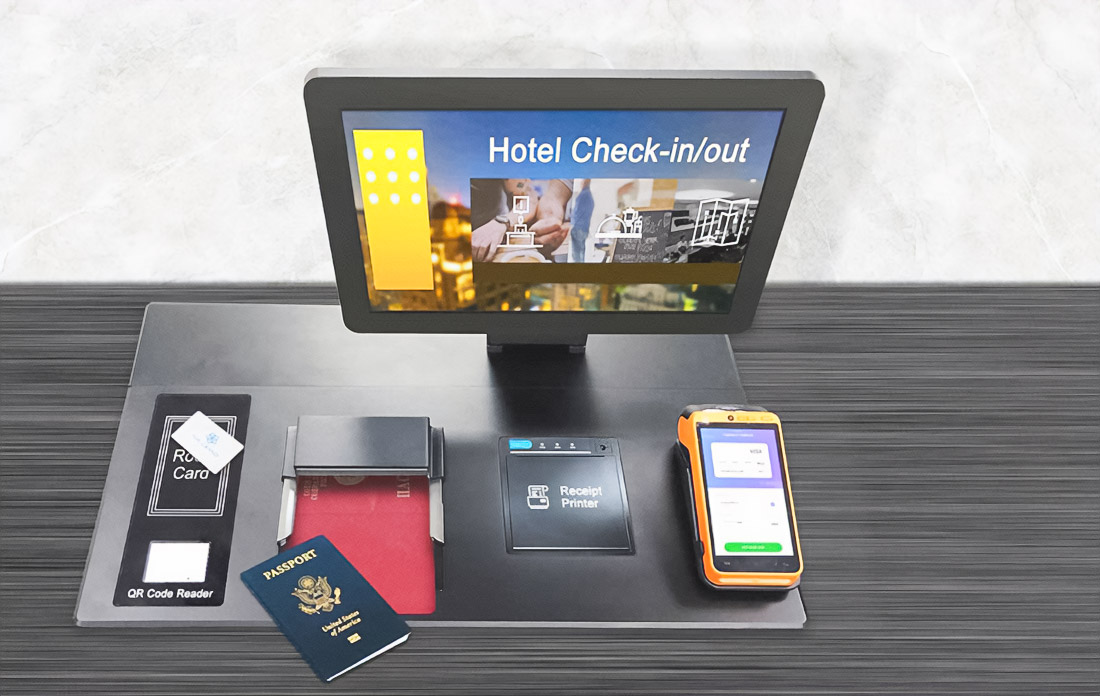
Most incidents are not caused by sophisticated attacks. More often, the cause is the human factor and manual processes. Sending payment data by e-mail remains a common mistake.
Storing copies of documents in shared folders only increases the vulnerability.
The lack of access control and logging exacerbates the situation. Without regular data auditing, it is impossible to understand the real level of risk. Digital systems without clear storage policies turn into chaotic archives. In this state, incident response becomes delayed.
Security Incidents and Legal Consequences
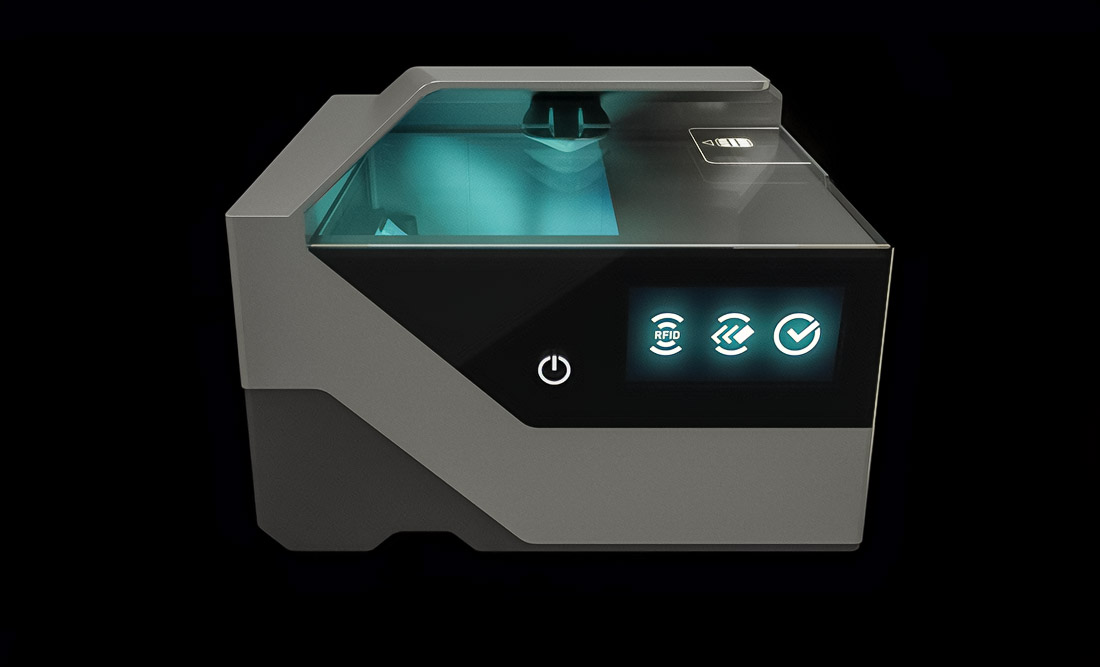
In case of data leakage, the hotel is obliged to act without delay. If the risk to guests is considered high, regulatory notification is required. In parallel, it is necessary to inform the affected data subjects. Delay or concealment of information increases legal liability.
The amount of penalties can reach 20 million euros. The alternative threshold is up to 4% of the annual turnover. Financial losses are significant, but reputational damage is often more dangerous. The trust of the guests is recovering much more slowly than the financial indicators.
Guest Rights and Handling Requests
Guests have the right to access their data. They may also require correction or deletion of information. The processing time for such requests is limited to one month. Violation of deadlines is considered as a separate violation of requirements.
It is important to confirm the identity of the applicant correctly. Creating new copies of documents is not allowed. The requests must cover all data storage systems. This includes registration databases, booking systems, and operational logs.
Protecting guest data is a managed process, not a one-time measure. It includes data minimisation, automatic deletion, and access control. Staff training plays no less a role than technology. Regular auditing allows you to identify risks before incidents occur.
The less sensitive data is stored, the lower the chance of leakage. Short shelf life simplifies compliance and verification. With incidents on the rise, those who manage data consciously benefit. The trust of the guests is formed precisely through responsibility and transparency.

Surfer, coffee addict, music blogger, Swiss design-head and communicator, collector, connector, creator. Making at the junction of art and intellectual purity to give life to your brand. Check me out on Dribbble or Medium.